
Online vs. Live Farm Equipment Auctions: Which To Choose
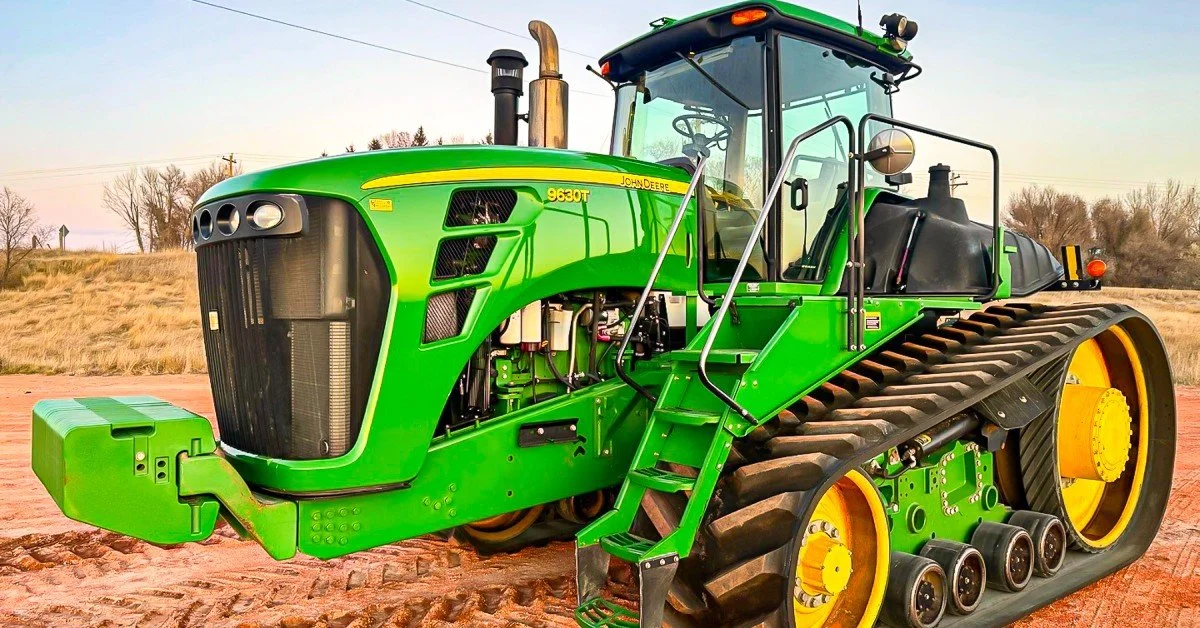
For generations, the farm auction has been a cornerstone of the agricultural calendar. It is more than just a place to buy and sell machinery; it is a community event, a barometer for local land values, and a crucial mechanism for keeping operations running smoothly. Whether you are looking to upgrade your combine, replace a trusty tractor, or just pick up some attachments, auctions offer a transparent way to determine fair market value.
However, the landscape of these sales has shifted dramatically in the last decade. While the traditional live auction—with its rapid-fire chanting and muddy boots—remains a staple, digital platforms have introduced a new way to do business. Today, you have a choice to make before you even look at an inventory list: do you bid from the comfort of your home, or do you head to the auction site in person? Both methods have distinct advantages, and understanding the differences between online and live farm equipment auctions is key to making the right choice for you.
The Online Auction Experience

For many modern farmers, time is the most valuable commodity they have. The rise of online auction platforms has revolutionized how equipment changes hands by removing the geographic barriers that once limited buyers to their local area.
How It Works
Participating in an online auction is a streamlined process designed for efficiency. First, you will need to register with the specific auction platform hosting the sale. This usually involves creating an account and providing proof of funds or a bank letter of credit to ensure you are a qualified bidder. Once approved, you can browse catalogs weeks in advance.
Bidding typically takes one of two forms. In a timed auction, items are open for bidding for a set period, often several days. There is no auctioneer; instead, a clock ticks down. If a bid is placed in the final minutes, the clock often resets (a “soft close”) to prevent sniping and give everyone a fair chance to respond. Alternatively, in a simulcast auction, the bidding happens live via video stream. You watch the auctioneer on your screen and click to bid in real-time against people standing on the ground at the physical location.
Key Features
The biggest advantage of online agricultural equipment auctions is the sheer breadth of the searchable inventory. You aren’t limited to what is available in your county or state. You can filter thousands of listings by horsepower, make, model, year, and hours to find the exact machine your operation needs.
Transparency in this format relies heavily on digital media. Reputable auction companies provide extensive photo galleries covering every angle of the machine, including the undercarriage, cab interior, and engine block. Many listings now include high-definition videos of the equipment in operation, along with detailed condition reports or oil sample analyses.
However, it’s still possible to inspect equipment in person when doing an online auction. Some platforms schedule inspection days for interested parties to come out to see and evaluate the equipment themselves. Buyers can even allow private inspections for those who want to see auction items in person.
Who It’s For
Online auctions are perfect for the farmer who knows exactly what they want and doesn’t have a whole day to spend standing in a field. If you are comfortable using technology and are willing to rely on third-party inspections or detailed media to assess condition, this format offers unmatched convenience. It is also ideal for those looking for specialized equipment that might not be common in their local region.
The Live Auction Experience
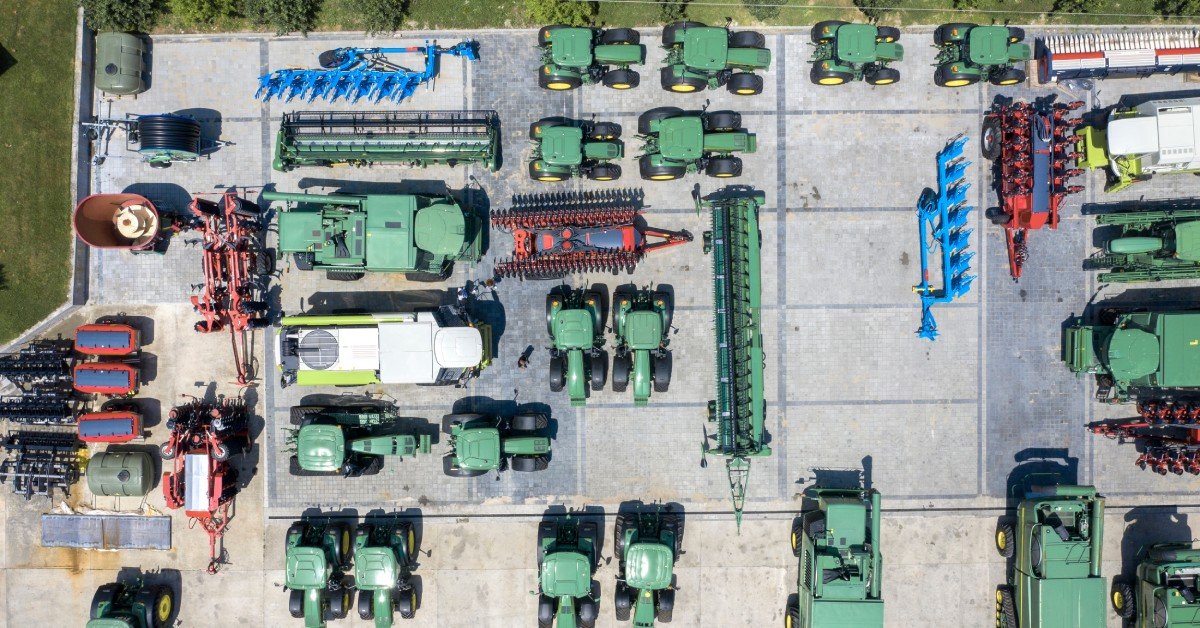
Despite the convenience of the internet, there is a reason the traditional live auction hasn’t disappeared. There is a tangible sense of certainty and energy at an on-site sale that a computer screen simply cannot replicate.
How It Works
The live auction experience begins the moment you park your truck. You head to the registration trailer, show your ID, and get a physical bidder number. Then, you walk the line. This is your opportunity to conduct your own due diligence before the bidding starts.
When the sale begins, the auctioneer moves from lot to lot, often on a sound truck. Ringmen stand in the crowd, spotting bids and relaying them to the auctioneer. The pace is fast, loud, and decisive. When you want to bid, you raise your card or nod to a ringman. If you are the high bidder when the hammer falls, the item is yours, right then and there.
Key Features
The primary benefit of a live auction is the ability to perform hands-on inspections. You can climb into the cab, start the engine, listen for irregular knocks, check the hydraulics for leaks, and look for stress cracks on the frame. You aren’t relying on a photo; you are using your own eyes, ears, and expertise.
Furthermore, live auctions are often where you find the best local networking. You can talk to the previous owner, ask them about the maintenance history, and find out exactly how they used the machine. That face-to-face interaction can provide many with the peace of mind they need to make a purchase. Plus, if you win, you can often load up and take the equipment home the same day, eliminating complex shipping logistics.
Who It’s For
The live environment is ideal for buyers who prioritize physical verification over convenience. If you are the type of person who needs to “kick the tires” to feel comfortable spending tens of thousands of dollars, the live auction is for you. It also suits those who enjoy the social aspect of the farming community and want to avoid the potential shipping costs associated with buying from a distance.
Head-to-Head Comparison
When deciding between online and live farm equipment auctions, it helps to compare the two formats across a few specific categories relevant to your business needs. This will make it much easier to land on a final decision.
Convenience
Online is the clear winner here. You can bid from anywhere in an instant. You don’t have to sacrifice a day of planting or harvest to try to buy a piece of equipment. Live auctions require travel, potential overnight stays, and a significant time commitment, regardless of whether you end up winning the item or not.
Transparency
Live auctions offer the ultimate transparency because you are the inspector. You verify the condition yourself. Online auctions rely on trust. While photos and descriptions have improved immensely, there is always a slight risk that a picture didn’t capture a specific scratch or that the video didn’t pick up a subtle engine noise. That is, unless the online platform allows for in-person inspections before final purchase. Then both formats are about equal here.
Inventory
Online auctions provide a nearly limitless marketplace. If you need a specific 12-row planter, you’ll likely find ten of them across the country. Live auctions are limited to what is on the lot that day. If you go to a live sale looking for a specific tractor and the prices go too high, you might go home empty-handed with limited alternatives nearby.
Energy
Live auctions bring an adrenaline rush that can be exciting, but if you’re not careful, they can also lead to emotional bidding. The peer pressure and the speed of the chant push prices up. Online bidding is generally more low-key, allowing for more calculated decisions, though the “soft close” feature can still create a tense final few minutes.