10 Mistakes To Avoid When Auctioning Farm Equipment

Selling farm equipment at an auction can be a lucrative way to upgrade your machinery or liquidate assets you no longer need. Whether you are selling a single tractor or an entire fleet, the goal is always the same: to get the best possible return on your investment.
However, the process isn’t always as simple as putting your equipment up for auction online and waiting for the highest bidder. Many sellers unknowingly leave money on the table by making avoidable errors. To help you navigate your next sale with confidence, we’ve compiled a list of ten common mistakes to avoid when auctioning farm equipment.
1. Not Researching the Market
One of the biggest pitfalls for sellers is jumping in without understanding the current market landscape. Just like commodities, equipment prices fluctuate based on supply and demand.
Before you list your items, take some time to see what similar models are selling for. If the market is flooded with combine harvesters, you might not get the price you’re hoping for. Conversely, if there’s a shortage of heavy-duty planters, you could be sitting on a goldmine. Assessing demand helps you set realistic expectations and prevents the disappointment of undervaluing your assets or pricing them out of reach.
2. Ignoring Equipment Maintenance
First impressions matter enormously with auctions. Presenting dirty, rusty, or nonfunctional equipment sends a signal to buyers that you haven’t properly cared for the machine.
You don’t need to perform a full restoration by any means, but a little elbow grease goes a long way. Wash off the mud, clean the cab, and fix minor issues like broken lights or flat tires. If a buyer sees a well-maintained machine, they are more likely to trust that the internal components are in good condition as well. A clean machine often translates to higher bids.
3. Skipping Professional Appraisals
It’s tempting to rely on your own estimation of what a piece of equipment is worth, but self-assessment often leads to inaccuracies. You might be emotionally attached to a tractor you’ve used for twenty years, leading you to overprice it.
Getting a professional appraisal provides an objective, expert valuation. An appraiser looks at the condition, hours, model year, and market trends to give you a solid number. If you don’t want to hire an outside source, many auctioneers can also provide accurate valuations. Either way, showing potential buyers a professional appraisal builds trust. It shows you are transparent and serious about the sale, which can encourage more competitive bidding.
4. Setting Unrealistic Reserve Prices
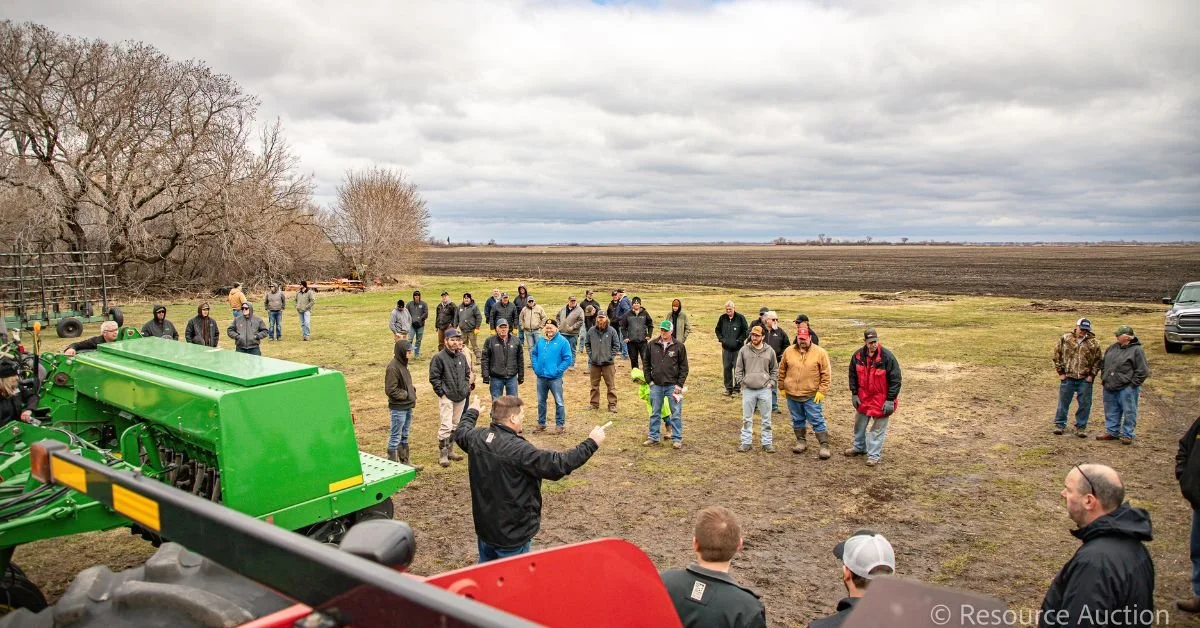
Even if you use a professional appraiser, you’ll still need to decide on a realistic reserve price, or the minimum amount you are willing to accept for an item. Setting this too high is a common mistake that can leave you with unsold inventory.
While you want to protect your investment, your reserve price needs to reflect market realities, not just your financial hopes. If the reserve is too high, bidders may get discouraged and stop bidding early. If it’s too low, you risk selling at a loss. Use your market research and professional appraisal to set a fair, attractive reserve that protects you while still enticing buyers.
5. Choosing the Wrong Auction Platform
Not all auctions are created equal. In many cases, you can choose between traditional in-person auctions and online platforms, and the right choice depends on your specific audience. If you are selling specialized equipment, an online auction with a national or global reach might be best. However, if you are selling older, heavy machinery that is costly to transport, a local in-person auction might attract more relevant regional buyers.
Still, some online platforms can help with this, too. That’s because they have the ability to hold both online and in-person auctions for their users. Knowing this info now will help you decide which farm machinery auction is best for providing you with the right opportunities to sell your equipment.
6. Failing to Market the Auction
You can’t sell to buyers who don’t know your equipment exists. While many auction houses will handle the marketing of your equipment for you, it never hurts to have a little more, so you can attract enough bidders to reach your desired reserve price.
Even though it’s not required, you can decide to take a more active role in marketing your equipment. Share the listing on your social media channels, send emails to your network, or even place ads in local agricultural publications. The more eyes you get on your items, the higher the likelihood of a bidding war. Poor promotion is a silent profit killer—don’t let your equipment go unnoticed.
7. Not Providing Documentation and Records
One massive mistake you don’t want to make when auctioning your farm equipment is not providing the proper documentation and records. Buyers want reassurance that they aren’t inheriting someone else’s headache. If you can’t prove ownership or provide maintenance logs, buyers will be hesitant to bid top dollar.
Gather all relevant paperwork before the sale. This includes titles, manuals, and detailed service records showing oil changes, repairs, and part replacements. Organized documentation proves that you were a responsible owner. It removes the guesswork for the buyer, making them feel more secure in placing a higher bid.
8. Neglecting Buyer Questions and Concerns
When selling online, it won’t be uncommon for buyers to ask questions before seeing the equipment in person. While you won’t have to interact with customers yourself—the auction platform will—it’s still up to you to provide as much info as possible so they can respond to potential queries. Failing to do so is a quick way to lose bidder interest.
Make sure you’re transparent with your information. If a potential buyer asks about hydraulic pressure or tire condition, the auction company needs the correct information to adequately address the question. If there are any known issues, be sure to disclose them. Transparency builds credibility. When buyers feel you are hiding nothing, they are more willing to bid aggressively.
9. Poor Timing of the Auction
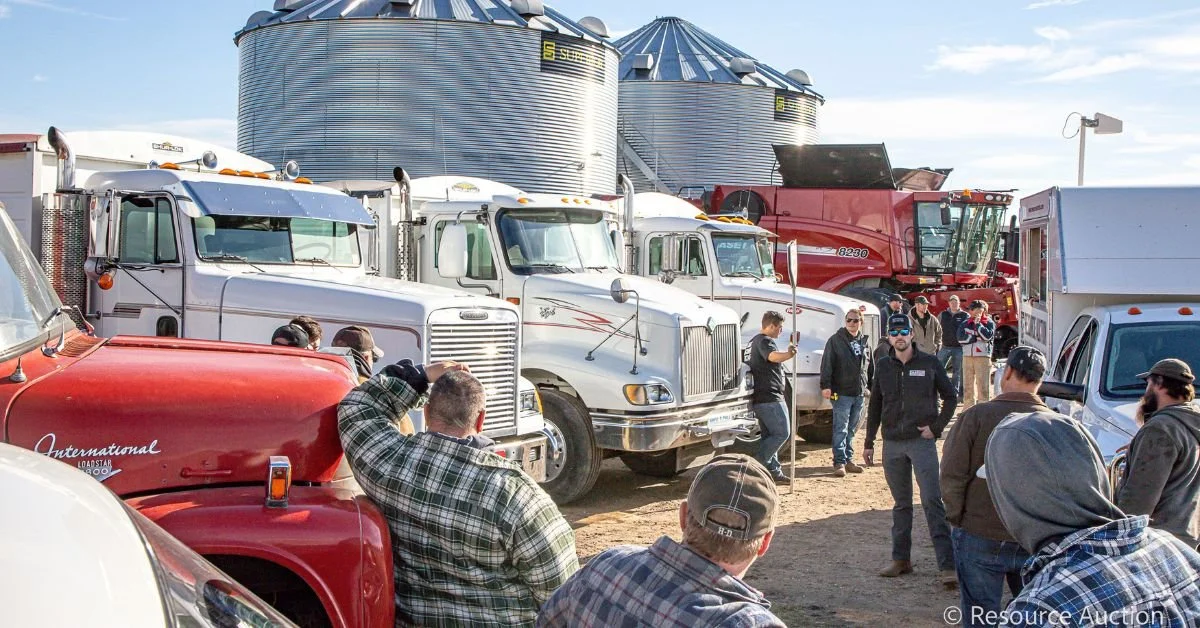
Agriculture is a seasonal industry, and timing your auction correctly is crucial. Selling planting equipment in the middle of harvest season usually yields lower prices because demand is low.
The best time to sell is when farmers are gearing up for the upcoming season. For example, sell combines and grain carts in late summer, and planters or tillage equipment in late winter. Understanding these seasonal cycles ensures you are selling into a hungry market rather than a saturated one.
10. Forgetting to Factor in Auction Fees
Finally, don’t forget the costs associated with selling. Auction houses and online platforms charge fees, commissions, and sometimes marketing costs.
Take the time to clearly understand the fee structure before you sign a contract. If a platform charges a 10% commission, you need to factor that into your bottom line. Ignoring these fees can lead to a rude awakening when you receive your final check—taking the time to fully understand them will help you maximize your take-home profit.